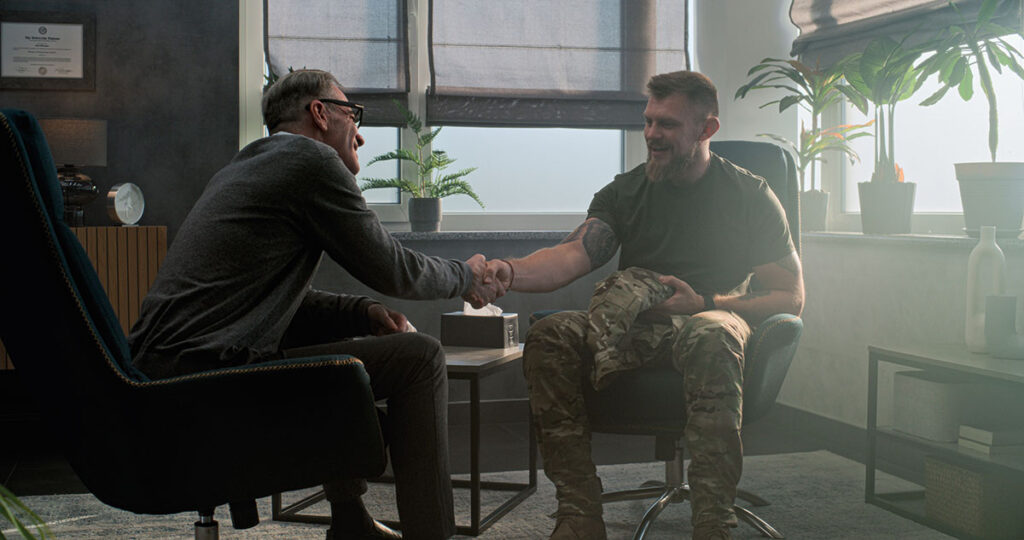
Over the years, I’ve had the privilege of working with U.S. Armed Forces veterans and military spouses, helping them transition from military service to civilian careers. This work has been some of the most rewarding of my life. Veterans bring unique skills, discipline, and perspective, but too often, they face barriers when reentering the workforce. Supporting them is not just a matter of employment—it’s about empowerment, leadership, and recognizing the incredible resilience they carry with them.
Recognizing Transferable Skills
One of the first things I learned working with veterans is the importance of translating military experience into skills that resonate in civilian workplaces. Leadership, teamwork, problem-solving under pressure, and adaptability are qualities veterans practice every day. Yet many struggle to communicate these abilities in ways that align with corporate language or industry expectations.
Programs like AloriCares, which I helped create, focus on bridging that gap. We hire, train, and mentor veterans and military spouses in customer service and professional roles, helping them see the value of their military experience. Watching someone gain confidence in their abilities and realize they are ready to succeed outside the military is incredibly fulfilling.
The Value of Mentorship
Mentorship is another key factor in empowering veterans. Many of the skills they honed in service are situational—effective in the military but unfamiliar in corporate settings. By pairing veterans with mentors who understand both the workplace and the transition process, we provide guidance, support, and encouragement.
Mentorship does more than teach technical skills. It builds confidence and reassures veterans that they are not navigating this transition alone. The best mentors celebrate small wins, provide honest feedback, and remind veterans of their inherent leadership qualities. In my experience, mentorship often leads to lasting bonds and lifelong professional networks.
Lessons in Leadership
Veterans teach me as much about leadership as I hope I teach them about navigating civilian careers. They understand accountability, mission focus, and integrity at a level few civilians experience early in their careers. When given the right opportunities, these qualities shine in business and community contexts.
Supporting veterans has also reinforced my belief that leadership isn’t about a title—it’s about influence, responsibility, and the ability to inspire others. Veterans exemplify these principles in their work ethic, dedication, and willingness to step up when needed. The workplace benefits immensely when we recognize and cultivate these skills.
Building Resilience
Transitioning from military to civilian life is not easy. Veterans often face challenges that test their patience, adaptability, and confidence. Supporting them means understanding the emotional and practical hurdles they encounter—relocation, learning new technologies, or adjusting to a less structured environment.
Through programs and mentorship, we focus on building resilience by providing tools, training, and ongoing support. Success is measured not only by landing a job but by thriving in a new role, gaining independence, and feeling empowered to continue growing. Seeing veterans persevere and succeed reminds me that resilience is both learned and reinforced through opportunity and encouragement.
Community Impact
Helping veterans isn’t just about individual success—it strengthens communities. When veterans are employed, mentored, and supported, they contribute their skills and experience to local businesses, civic initiatives, and community projects. They serve as role models, demonstrating discipline, dedication, and a commitment to excellence.
I’ve seen veterans lead community programs, volunteer for causes, and mentor others, multiplying the impact of the support they received. This ripple effect demonstrates that empowering veterans benefits everyone, not just the individuals themselves.
A Personal Perspective
Working with veterans has been a profound part of my journey. It has reminded me of the importance of giving back and creating systems that allow others to thrive. Helping someone translate military service into civilian success isn’t just about employment—it’s about acknowledging their experience, recognizing their potential, and providing tools to unlock it.
Every success story, no matter how small, reinforces the value of investing in people. Veterans teach patience, humility, and perseverance. They show that leadership is rooted in action, and that resilience is strengthened through support and opportunity.
Empowering veterans beyond service is about more than jobs or training programs. It’s about leadership, resilience, and community impact. It’s about creating pathways for talented, disciplined, and committed individuals to contribute in meaningful ways.
Supporting veterans has taught me that when we invest in people, provide mentorship, and recognize potential, extraordinary results follow. Beyond service, veterans continue to lead, innovate, and inspire—and helping them succeed is one of the most rewarding things I’ve had the privilege to do.